
What is the Feldenkrais® method?
MOVEMENT reveals who we are and how we are. It is the core of all our actions, sensations and emotions. Movement is the key to understand what happens within ourselves, as we only become aware of what is happening to us in the moment our muscles reorganise to react to it.
The Feldenkrais® method uses movement to improve our neurological and physical potential. Moshe Feldenkrais, the creator of the method, believed that movement was the simplest and most direct mean to “understand what we are not aware of not knowing”.
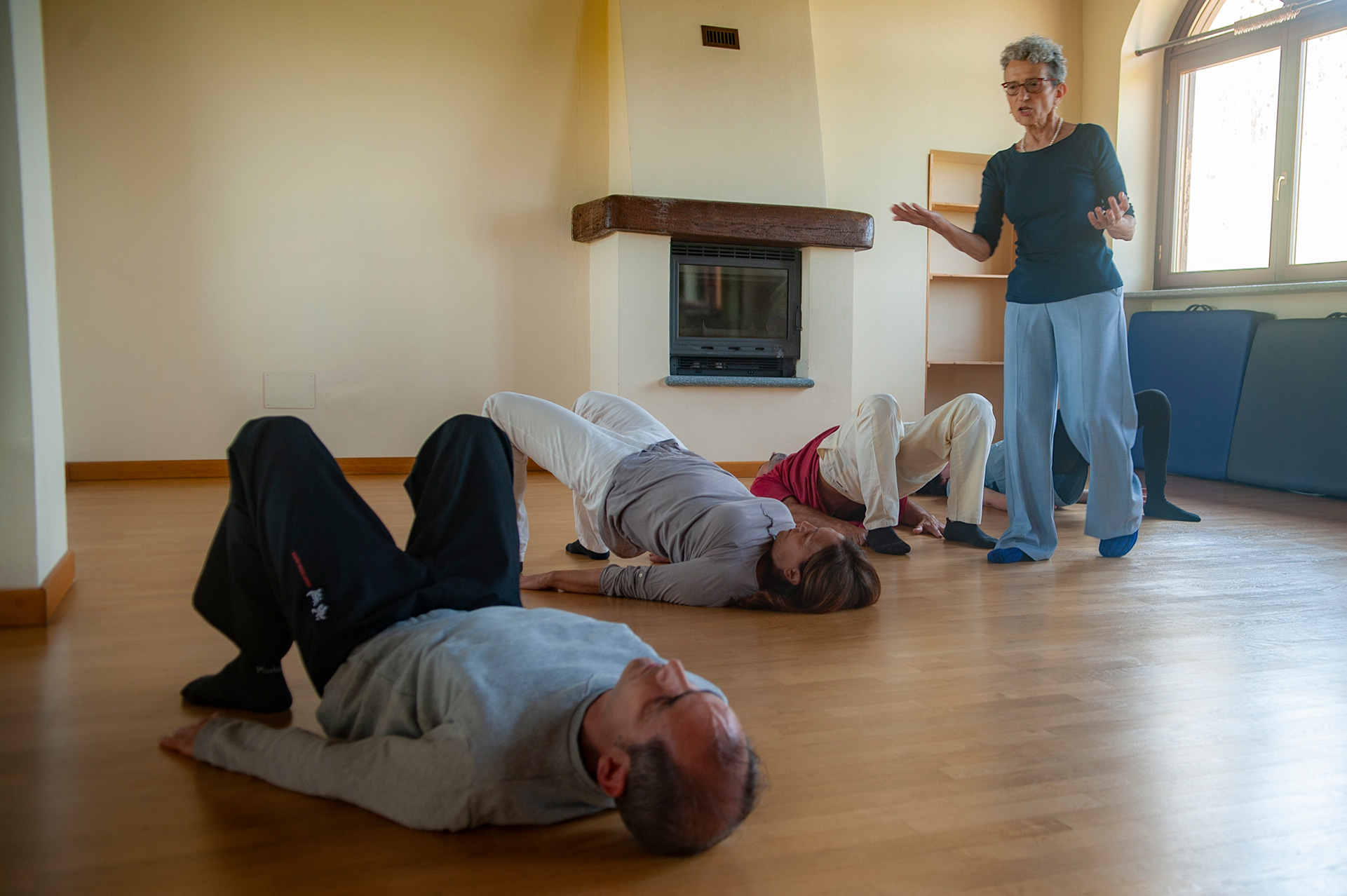
The method teaches people to “use” themselves with more ability, efficiency and simplicity, in order to reach their goals. It involves the whole person on a SENSORY and MOTOR level. It is in fact based on the INTEGRATION between movements, sensations, feelings and thoughts. This makes the Feldenkrais® method one of the most effective ways to develop and improve the ability to CHANGE.
Every new information originates a new stimulus, which generates another and another again. It is the same way a tree grows its foliage with new branches and leaves. But how can a simple movement, maybe even one you never did before, be the source of such a development in our learning skills?
The modern man is often brought far away from its inner self by educational and cultural patterns. He therefore loses the ability to KNOW HIMSELF and starts to sense and get to know the world from outside stimuli, rather than from personal experience.
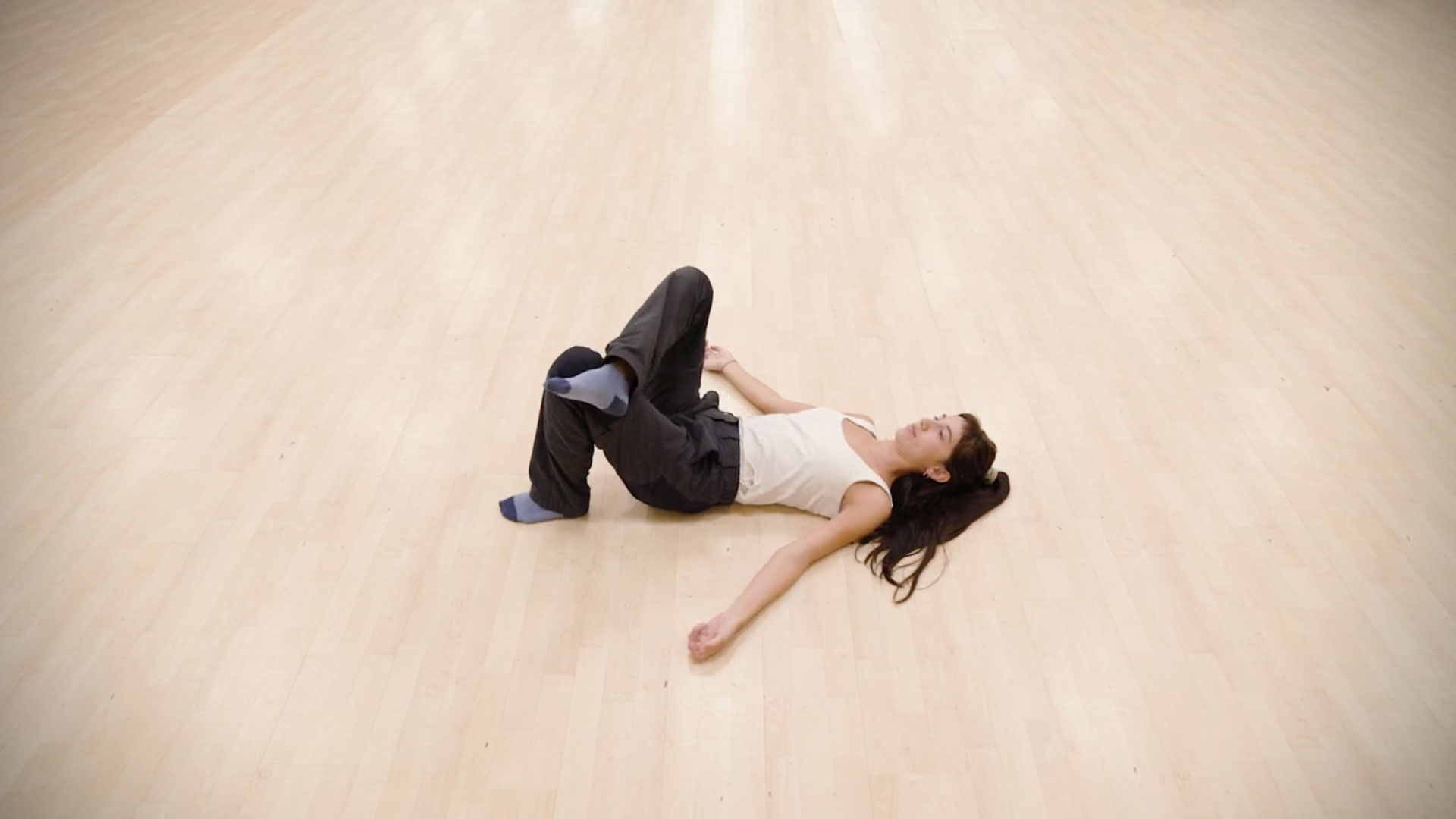
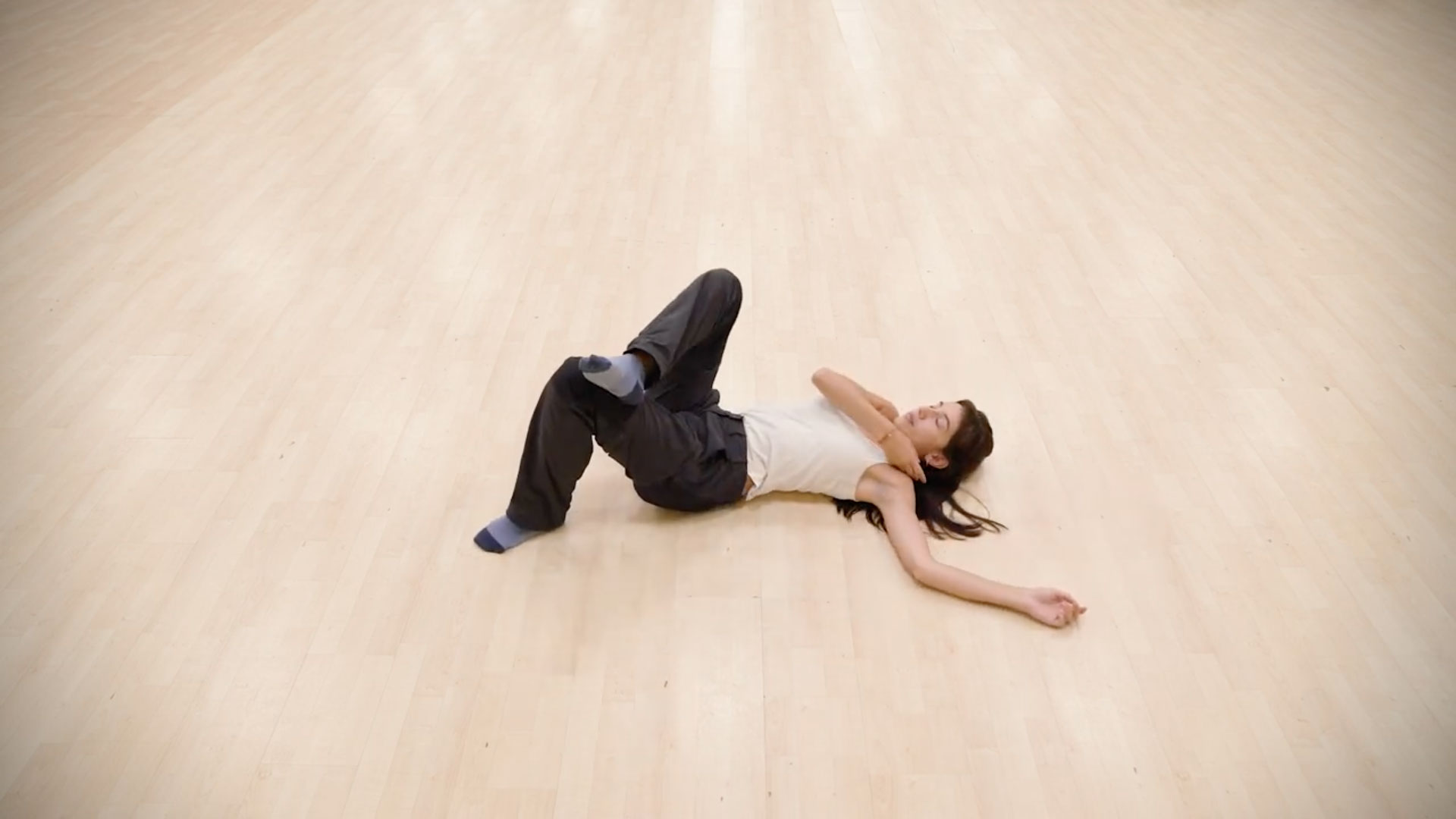
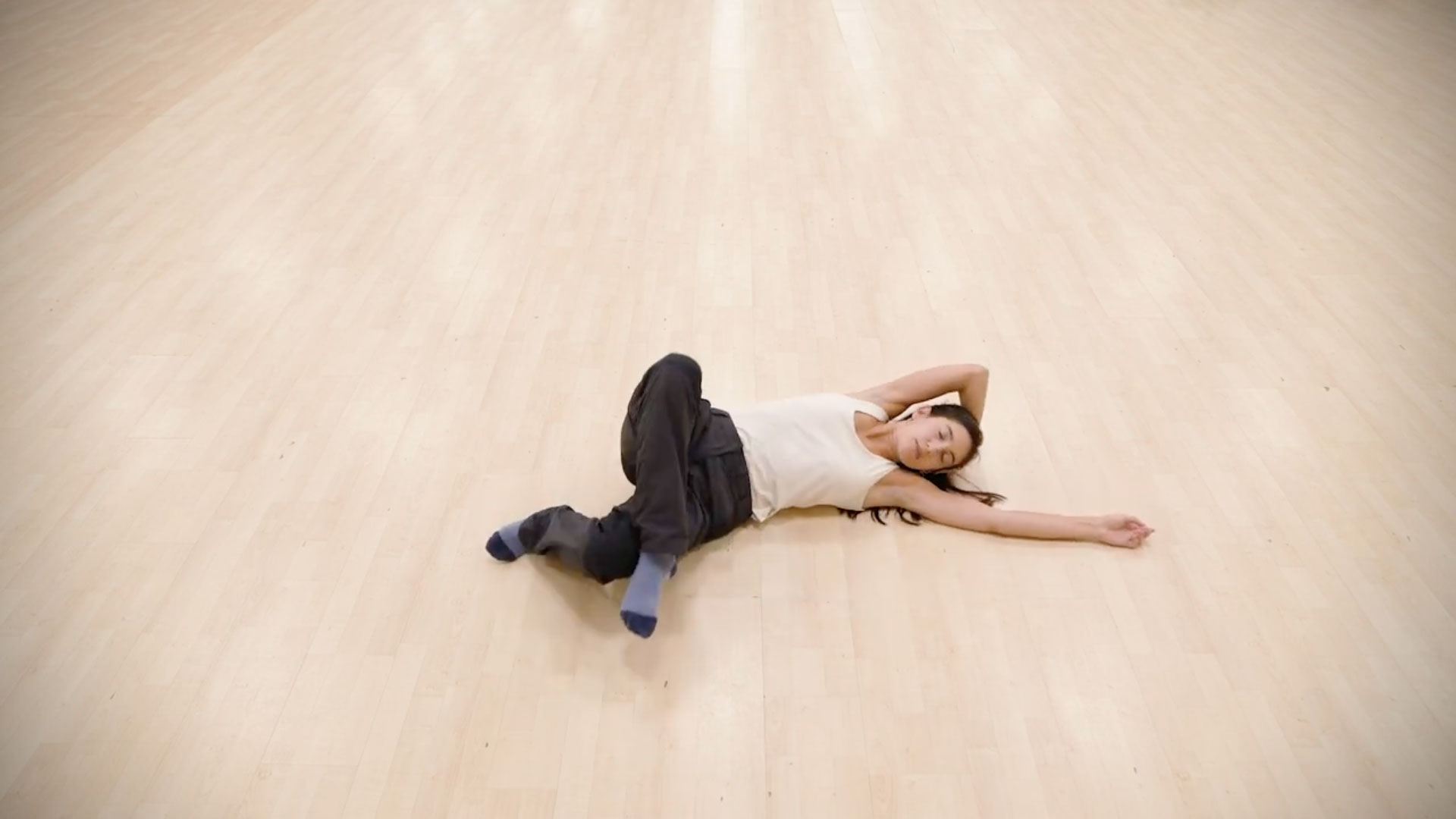
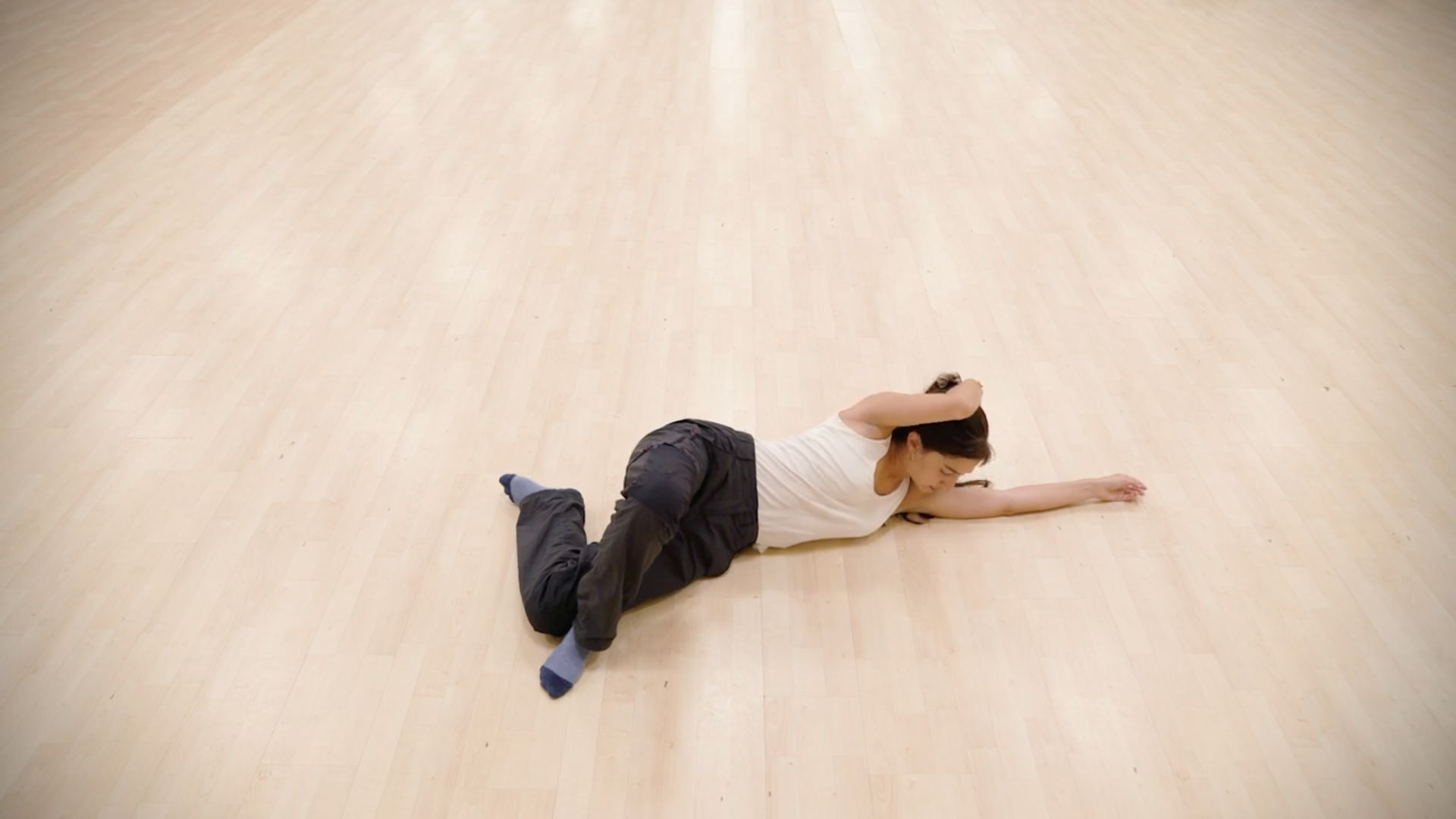


However, any discovery, learning or growth we do, it can only be fulfilled through PERSONAL EXPERIENCE. This is why it is fundamental to refine our perceptions and our kinaesthetic sense, so that we have a better AWARENESS of what we do. Without information coming from ourselves, we cannot do anything but repeating what comes from the others.
"When you know what you do, you can do what you want"
– Moshe Feldenkrais.
“LESS IS MORE” and “REDUCTION OF EFFORT” are the fundamental rules to follow if you want to develop this hidden sense and improve your self-awareness. Tensions that generate from effort prevent us from listening to ourselves and our sensations.
In order to LEARN HOW TO LEARN we have to get rid of useless movements, instead of doing more and more.
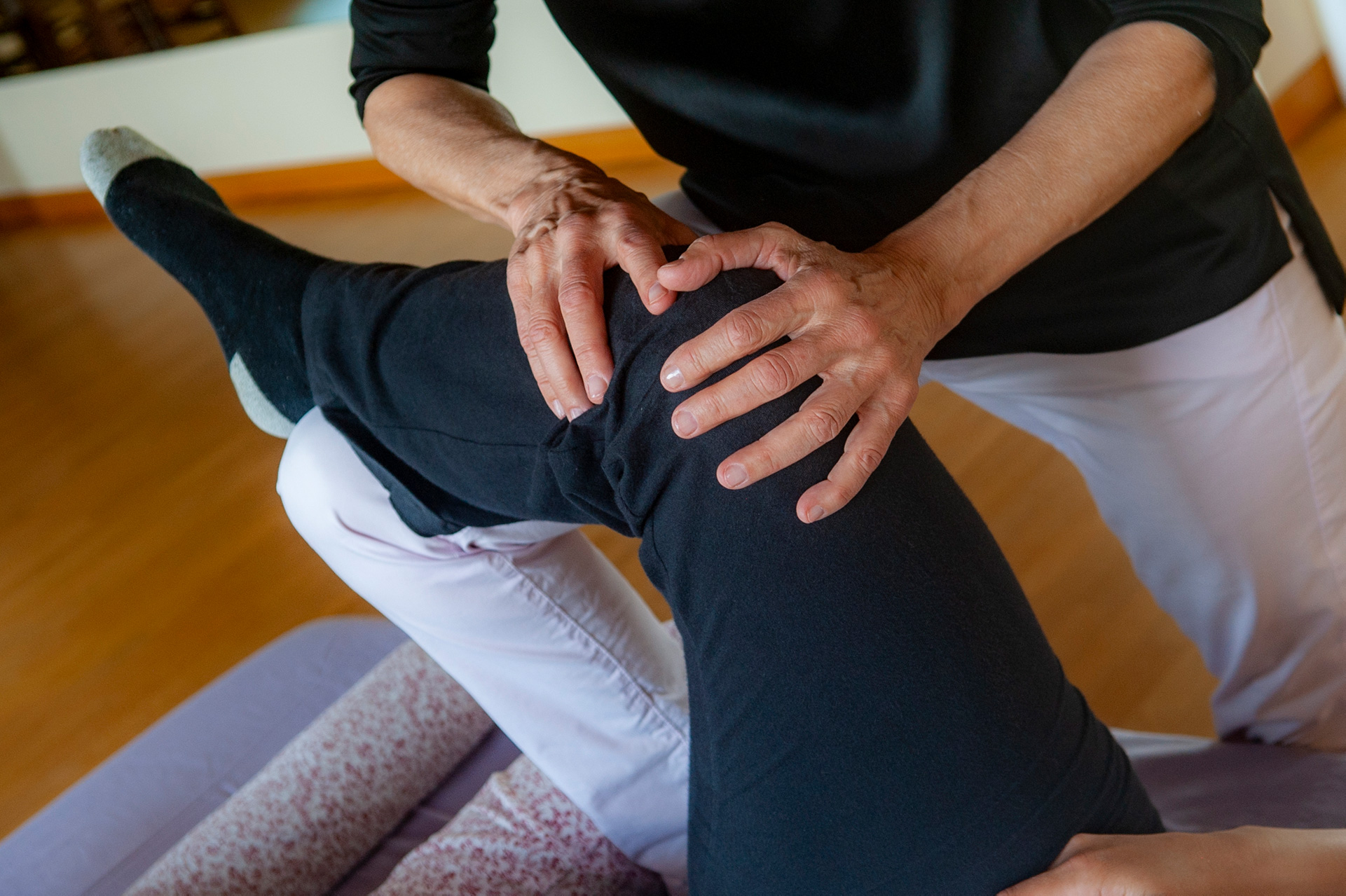
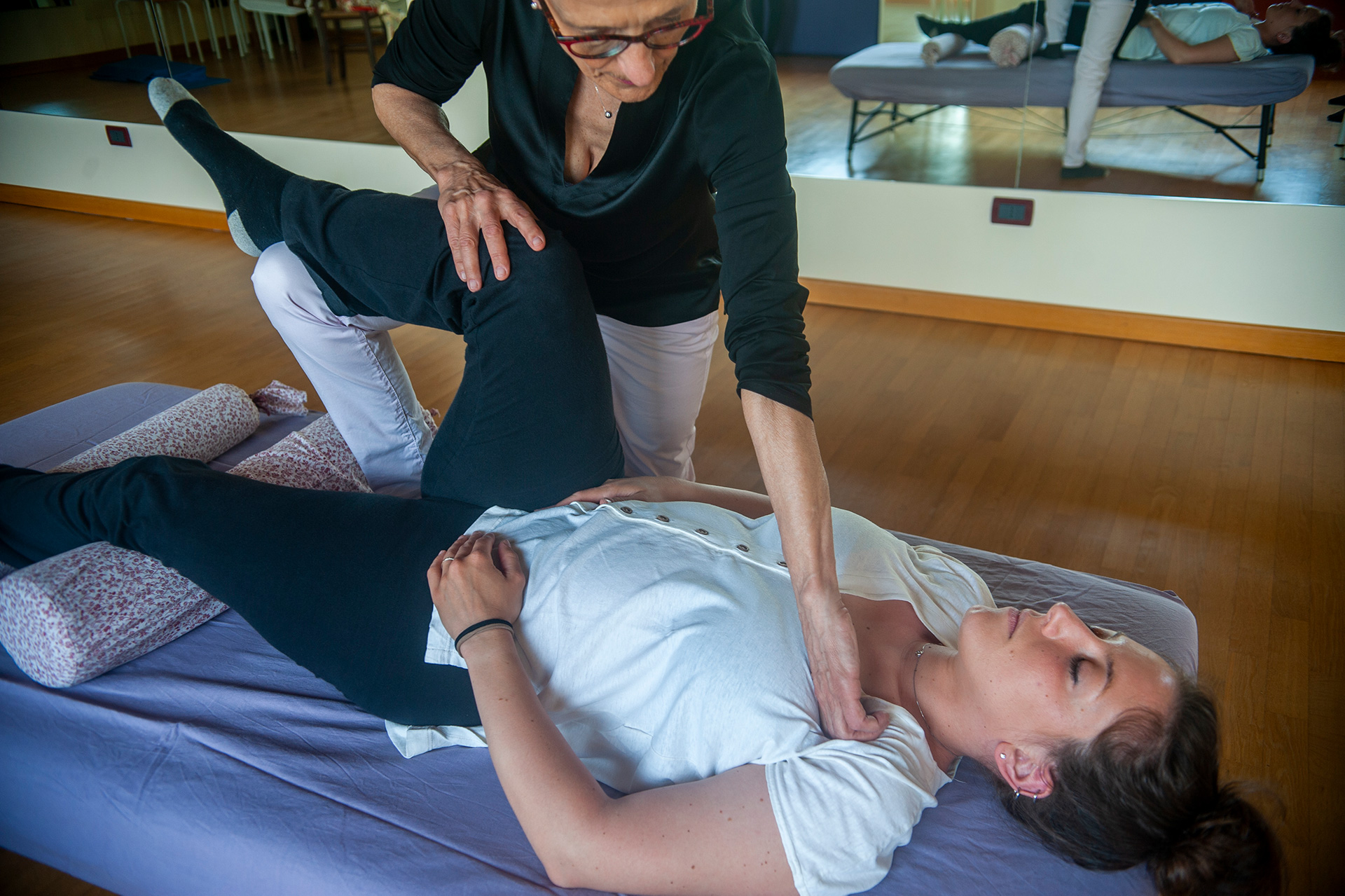
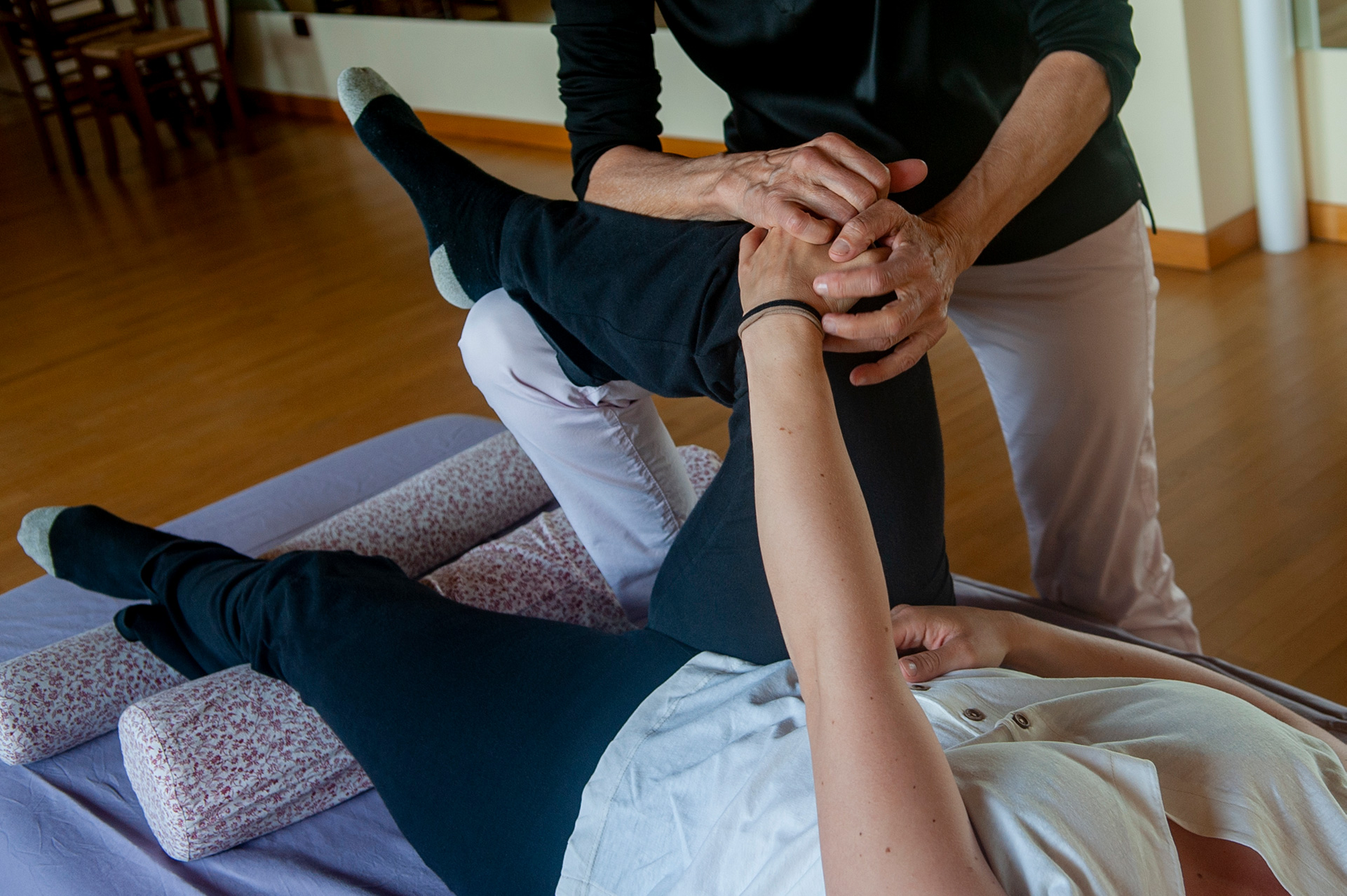
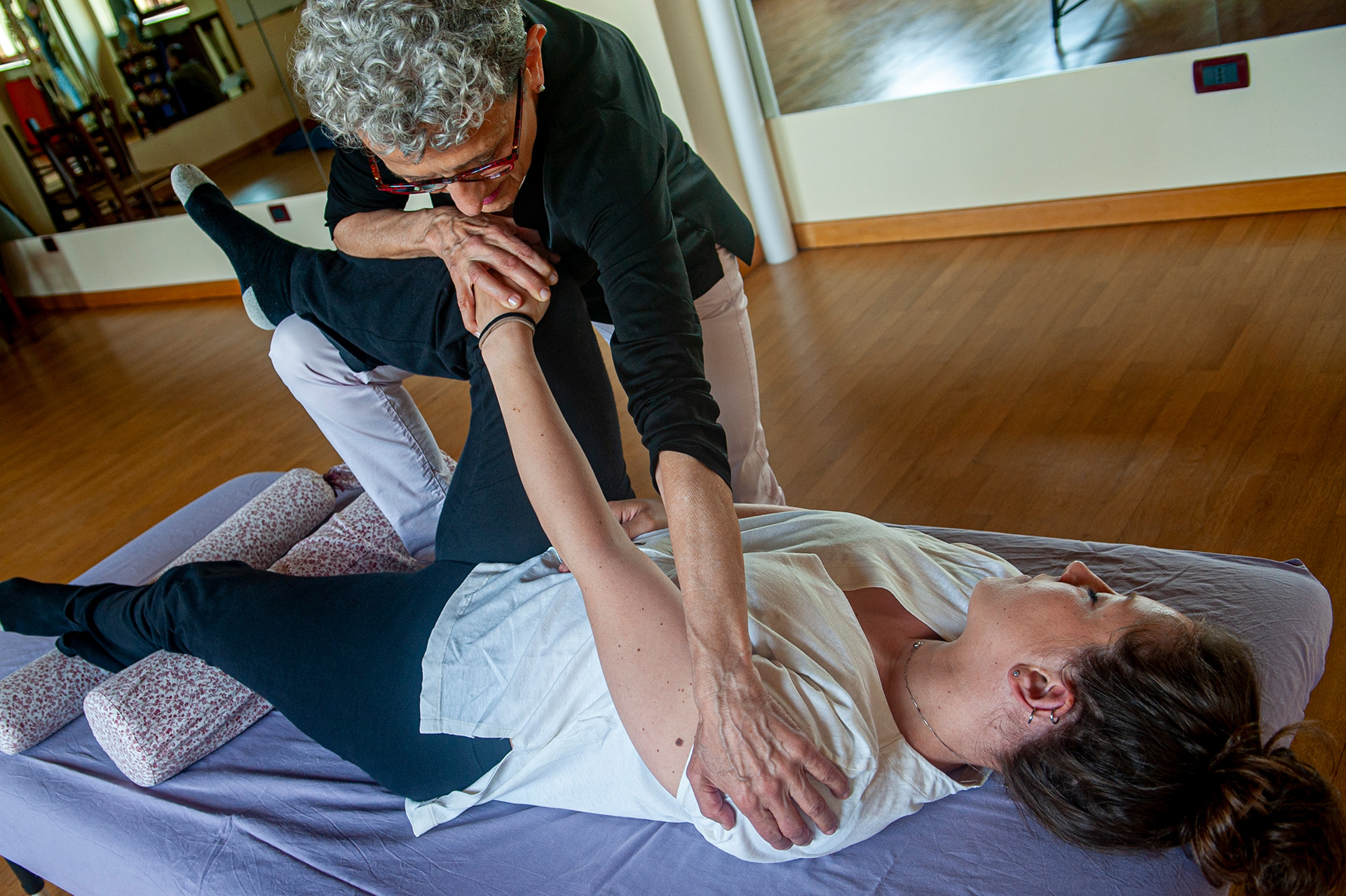


"We act according to our SELF-IMAGE"
– Moshe Feldenkrais.
Our self-image is partially inherited and partially a result of the way we are brought up. This often traps us into our schemes of habit. Most of our limits, both physical and mental, come from a lack of CHOICE and the lack of choice comes from not knowing about other OPTIONS and POSSIBILITIES. When we increase our range of options, we enrich our self-image. In fact, according to Moshe Feldenkrais, in order to really understand and master a situation, we have to have at least three options of action within it.
What is important is not to reach a goal but to transform the way we try to do it. It is a matter of HOW WE ACT. This is why the Feldenkrais® method gives at least three ways of doing the same thing, so that we can get out of our compulsive behaviours.
To avoid automatisms, we have to get rid of those parasitic tensions in our body, which generate most of our actions. Hunger forces us to eat, thirst to drink, tiredness to sleep. Some other tensions are harder to identify because they do not generate localised physical reactions. These tensions originate in our central nervous system and translate into irrational behaviours.
Unless we become AWARE of this process, we can hardly believe of being so ignorant about what happens within ourselves. We are normally very good at finding rational explanations to our tensions and this brings us far from the real problem causing them.
"I am not seeking to develop flexible bodies but flexible minds"
– Moshe Feldenkrais.
Human beings are asymmetrical, and it is thanks to this ASYMMETRY that we can DIFFERENTIATE. What is important in the Feldenkrais® method is not to acquire more knowledge but to eliminate useless information and rediscover what is natural to us. It is a process of refining our sensations, until we can be aware of the CHANGES that our body brings into the world. It is a matter of learning to capture the slightest DETAIL and, to do that, we need to do less and move without effort. Until we make effort in order to progress, we cannot find our INNATE ABILITIES.
"Make the impossible possible, the possible easy, the easy elegant"
– Moshe Feldenkrais.
True willpower is the EFFICIENT WILLPOWER, which is unconscious and autonomous. In order to rediscover our efficient willpower, we have to allow ourselves to EXPLORE, EXPERIMENT and PLAY without consciously controlling ourselves. This might also be very hard to do, considering how attached we are to our habits or how hard it is to not strain to reach the ideal of perfection provided by social standards. Making MISTAKES is part of this process. Mistakes make us UNIQUE and build our personality, but also nourish our ABILITY TO LEARN.